Camping Lots for Sale in the United States
Discover individual camping lot properties across America—from deeded lots within established resort communities to seasonal parcels in premier outdoor destinations. Camping lots represent an accessible entry point into outdoor real estate investment, combining lifestyle benefits with income-generating potential. Whether you seek a personal retreat in your favorite camping location, a rental income property, or a portfolio addition, our marketplace connects you with verified camping lot opportunities nationwide. Individual lots offer lower entry costs than full campground businesses while maintaining strong appreciation and rental demand. Browse our selection of available camping lots and find your perfect outdoor property investment today.
Types of Camping Lots for Sale
Deeded Campsite Lots Within Existing Communities
Individual lots you own outright within established campground communities. These properties come with deed restrictions, community bylaws, and typically include shared amenities like roads, pools, and facilities. Deeded lots offer permanent ownership and property control.
Seasonal Leasehold Camping Lots
Long-term leasehold interests in campground properties, providing use rights for seasonal or year-round camping. Leasehold lots typically offer lower entry costs than deeded properties but provide less ownership security. Popular in established resort communities and premium destinations.
Undeveloped Land Zoned for Camping Development
Raw parcels zoned for camping or recreational use, offering development opportunities. These properties provide flexibility for entrepreneurs to create custom camping experiences, though they require investment in infrastructure and obtaining necessary permits.
RV Lot Communities and Co-op Campgrounds
Specialized communities designed specifically for RV owners, featuring full utility hookups and shared ownership models. Co-op structures provide affordable entry while maintaining community governance and shared resource management.
Waterfront and Premium-Location Camping Lots
High-value lots in desirable locations—lakefront, oceanfront, mountain, or near major attractions. These premium properties command significantly higher prices but offer exceptional lifestyle value and strong appreciation potential.
Is Buying a Camping Lot a Good Investment?
Camping lots represent a compelling asset class for investors seeking outdoor real estate exposure with lifestyle components. Appreciation trends in outdoor real estate have consistently outpaced traditional real estate in many markets, particularly for properties in popular destination areas. Camping lot communities in Colorado, California, Florida, and other recreational hotspots have seen 5-8% annual appreciation over the past decade. Rental income potential adds another compelling dimension—owners who choose to rent their lots during peak seasons generate $2,000-$8,000+ annually, depending on location and season length. This dual benefit of potential appreciation plus seasonal rental income creates attractive total return profiles. Many investors treat camping lots as hybrid investments, combining personal lifestyle use with income generation during periods when the owner isn't using the property. The comparison to traditional vacation property is instructive: camping lots often have lower acquisition costs, minimal maintenance obligations (community-managed), built-in amenities, and established user communities. Unlike second homes requiring significant upkeep, camping lots benefit from community infrastructure management. However, success requires careful market selection and understanding of community dynamics, deed restrictions, and local demand patterns.
Camping Lot vs Full Campground - What's the Difference?
Understanding the distinction between camping lots and full campground ownership is essential for investors evaluating their best strategy. Ownership structure differs fundamentally: with a camping lot, you own an individual parcel within a larger community governed by HOA rules and community bylaws; with a full campground, you own and control the entire operation including all sites, facilities, and management systems. Revenue potential varies accordingly—camping lot owners typically generate income through personal use or seasonal rental of their single lot, while full campground owners benefit from revenue across dozens or hundreds of sites plus ancillary income from facilities and amenities. Management complexity dramatically differs: camping lot owners pay HOA fees and avoid operational responsibilities, while campground owners manage all operations, staffing, maintenance, and customer service. This simplicity makes camping lots ideal for passive investors. Entry price points also vary substantially: quality camping lots can be acquired for $25,000-$100,000, making them accessible to individual investors, while campground businesses typically require $500,000 minimum investment. Your choice depends on capital availability, operational appetite, and return expectations.
What to Know Before Buying a Camping Lot
Successful camping lot purchases require thorough due diligence on several critical dimensions. HOA fees and campground community rules can significantly impact ownership costs and use flexibility—obtain complete HOA documentation and understand annual fees, special assessments, and community governance before purchasing. Utility access including electric, water, and sewer hookups determines the property's utility and income potential; basic lots may lack full hookups while premium lots feature complete infrastructure. Restrictions on subletting or renting can profoundly affect investment returns—verify rental rights explicitly before committing to purchase. Resale market considerations matter substantially; properties in desirable communities with strong rental policies typically command better resale values and faster sales. Properties in declining or restrictive communities may prove difficult to liquidate. Speak with current lot owners about their satisfaction, rental experiences, and resale trajectory. Research community reputation, management quality, and occupancy trends. These factors collectively determine your investment's success and income potential.
Browse Camping Lots for Sale
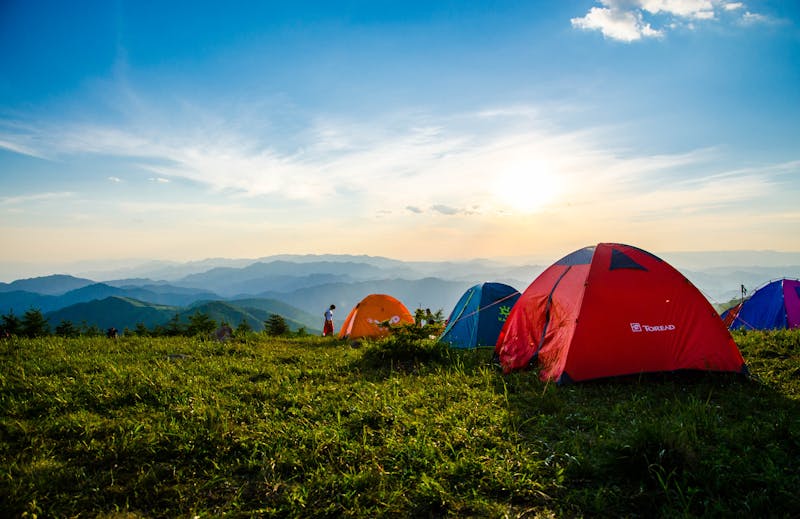
Blue Ridge RV Resort
$2,850,000
Acreage
18.5
Sites
76
Cap Rate
9.9%

Lakeside Campground Maine
$1,950,000
Acreage
25
Sites
85
Cap Rate
8.7%

Vermont Retreat Glamping Resort
$4,200,000
Acreage
35
Sites
28
Cap Rate
7.1%

Mountain Valley RV Park Pennsylvania
$1,750,000
Acreage
12
Sites
48
Cap Rate
7.4%

Smoky Mountains Retreat Tennessee
$2,200,000
Acreage
20
Sites
68
Cap Rate
9.0%
Georgia Countryside RV Resort
$1,580,000
Acreage
15
Sites
52
Cap Rate
7.5%
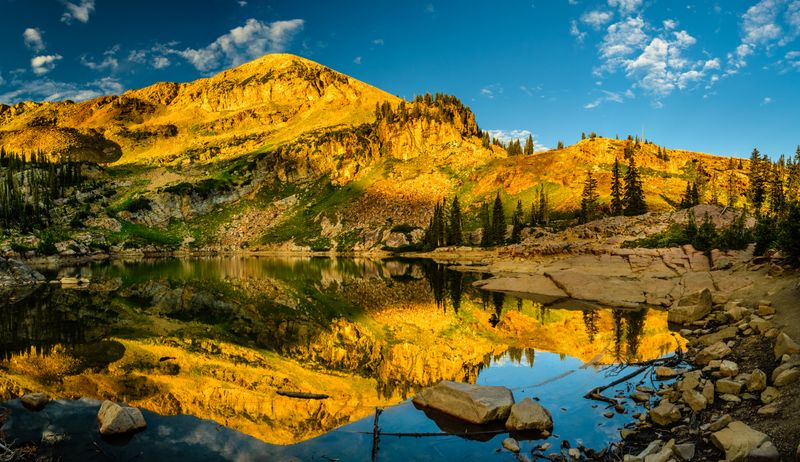
Crystal Lake Campground Ohio
$1,890,000
Acreage
19
Sites
71
Cap Rate
8.7%
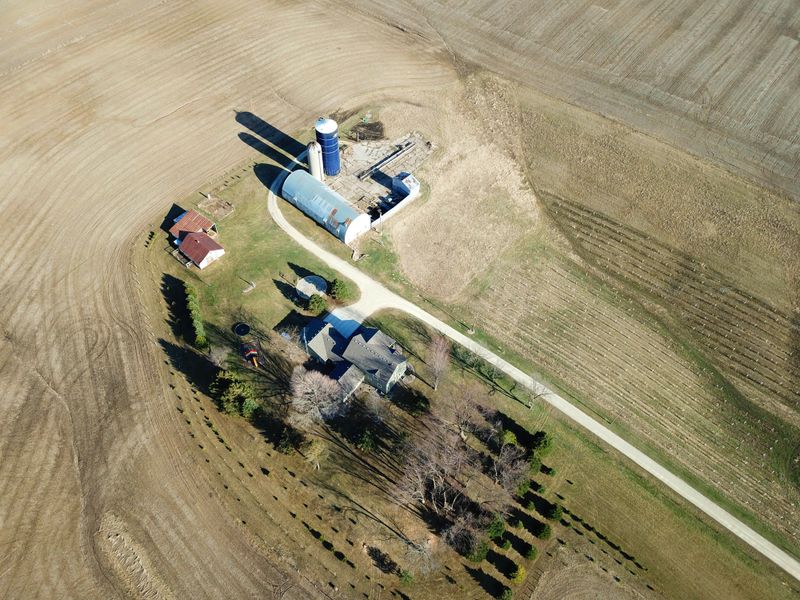
Michigan Dunes Resort
$3,100,000
Acreage
26
Sites
64
Cap Rate
7.5%

Wisconsin Forest Campground
$1,450,000
Acreage
18
Sites
58
Cap Rate
7.3%

Texas Hill Country RV Park
$2,650,000
Acreage
22
Sites
79
Cap Rate
9.8%
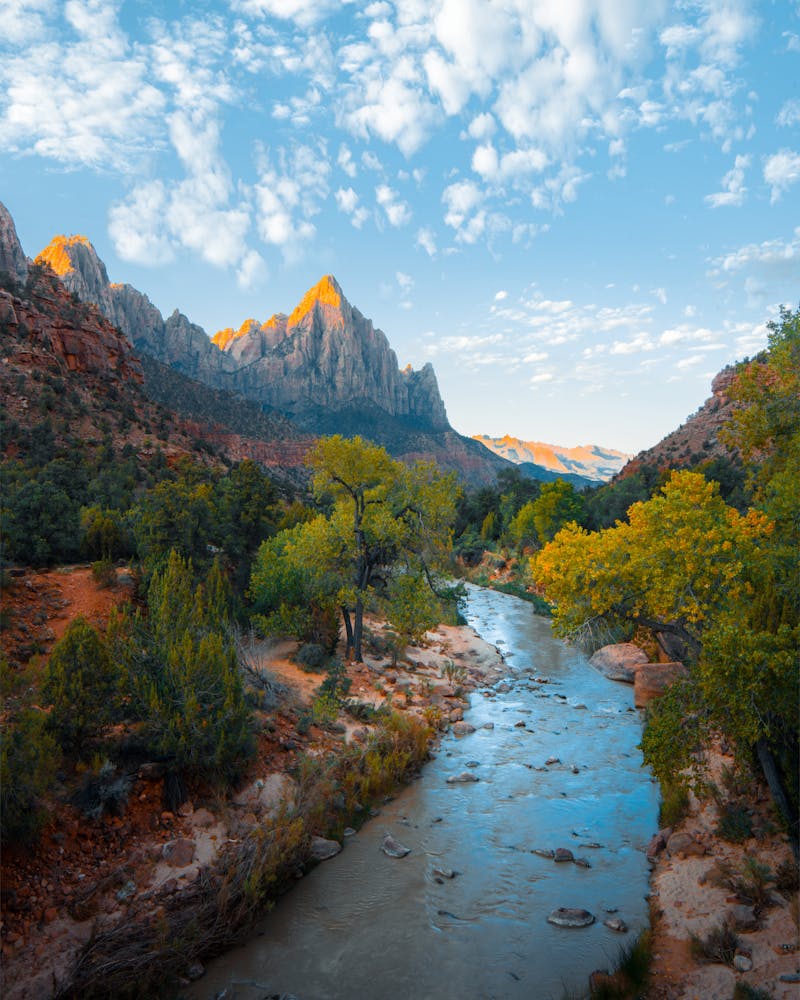
Arizona Desert Resort Phoenix
$3,800,000
Acreage
24
Sites
88
Cap Rate
8.3%
New Mexico Outdoor Resort
$2,900,000
Acreage
40
Sites
32
Cap Rate
6.7%

Colorado Mountain Retreat
$3,200,000
Acreage
28
Sites
81
Cap Rate
8.4%

Wyoming Adventure Park Jackson
$4,100,000
Acreage
35
Sites
102
Cap Rate
8.6%

Oregon Coast Glamping
$2,250,000
Acreage
22
Sites
24
Cap Rate
7.5%

Washington Mountains Resort
$3,450,000
Acreage
32
Sites
85
Cap Rate
7.3%
Minnesota Lakes RV Park
$1,420,000
Acreage
14
Sites
51
Cap Rate
7.8%
Louisiana Bayou Resort
$2,100,000
Acreage
20
Sites
68
Cap Rate
7.8%
South Carolina Beach Resort
$3,600,000
Acreage
26
Sites
95
Cap Rate
7.7%
Alaska Wilderness Lodge
$2,350,000
Acreage
45
Sites
18
Cap Rate
7.2%
Browse Camping Lots by State
Find camping lots for sale in your target destination. America's premier outdoor regions—from mountain states to coastal communities—offer diverse camping lot opportunities at various price points and with different amenity packages.
Frequently Asked Questions
What is a deeded camping lot?
A deeded camping lot is an individual camping parcel that you own outright through a property deed. Unlike leasehold interests, deeded lots provide full ownership rights and can typically be sold or transferred freely. Deeded lots are often located within established campground communities or resort properties and come with deed restrictions that specify camping use and may include maintenance agreements or HOA fees. Owning a deeded camping lot provides more security and control than leasehold options, though you remain subject to community rules and regulations.
Can I build a cabin on a camping lot?
Whether you can build a cabin on a camping lot depends on the deed restrictions, local zoning laws, and campground community rules. Some camping lot communities explicitly allow permanent structures like cabins, while others restrict use to recreational vehicles or seasonal tents only. Before purchasing, review the deed restrictions carefully and consult with the campground management and local planning department. Some communities offer 'cabin lots' specifically zoned for structures, while others mandate temporary camping-only use. Always verify building rights and any required approvals before making a purchase decision.
How much does a camping lot cost?
Camping lot prices vary dramatically based on location, amenities, and whether the lot includes developed infrastructure. Individual camping lots in basic communities may cost $15,000-$50,000, while premium waterfront or mountain resort lots can range from $100,000 to $500,000 or more. Seasonal leasehold lots typically cost $5,000-$30,000, offering lower entry costs for budget-conscious buyers. Factors affecting price include proximity to attractions, access to utilities, community amenities, resale market strength, and regional demand. Properties in established resort communities or near popular destinations command premium pricing.
Is a camping lot the same as an RV lot?
While sometimes used interchangeably, camping lots and RV lots have distinct characteristics. Camping lots may accommodate tents, RVs, or other temporary structures depending on community rules, while RV lots are specifically designed with hookups and infrastructure for recreational vehicles. RV lots typically feature full utility connections (water, sewer, electric), paved pads, and are optimized for vehicle parking and habitation. Camping lots may have minimal infrastructure and be designed for tents or seasonal use. RV lots generally command higher prices due to enhanced infrastructure. Before purchasing, clarify whether the lot is designated for tent camping, RV use, or flexible use.
Can I rent out my camping lot?
Rental rights depend on your deed restrictions and campground community bylaws. Many campground communities allow lot owners to rent their properties to other campers, creating income opportunities. However, some communities restrict rentals or require owner approval and adherence to specific rental protocols. A few exclusive communities prohibit rentals entirely, restricting use to owners only. Before purchasing with rental income expectations, obtain written clarification from the campground management regarding rental policies. Review all deed documents and HOA rules carefully. Properties with clear rental allowances typically appreciate faster and resell more easily than rental-restricted properties.
Related Resources
- Campgrounds for Sale in America - Full campground business listings
- Campsites for Sale - Individual campsite properties and businesses
- Buy a Campground - Buyer's guide and resources
- Campground Valuation Guide - Valuation methods and market data