How to Prepare Your Campground for Sale: 10 Steps to Maximize Value
Preparation separates campground sales that achieve premium valuations from sales that require discounting or extended marketing. The difference between a property that sells at full value within 4 months and one that requires 8 months or price concessions often comes down to how thoroughly the seller prepared before listing.
Sophisticated buyers evaluate multiple properties simultaneously and quickly identify which properties have been carefully maintained and professionally managed versus which properties appear neglected or poorly operated. First impressions shape valuation opinions significantly. Properties that appear operationally tight, well-maintained, and professionally managed attract institutional buyer interest and support premium pricing.
The following 10-step preparation framework systematically addresses the factors that drive campground valuations and buyer appeal.
Financial Preparation Steps (Steps 1-4)
Step 1: Organize 3 Years of Clean P&L Statements and Tax Returns
Begin with comprehensive financial organization. Obtain 3 years of complete profit and loss statements from your accountant (not just QuickBooks exports, but formal P&L statements). Request reviewed financial statements from your accountant confirming the numbers reconcile to source documents.
The sophistication of your financial presentation signals operational competence. Properties with professionally prepared, reviewed financials generate buyer confidence. Properties with hand-written spreadsheets or QuickBooks exports lacking professional review create impression of operational dysfunction.
Additionally obtain personal and business tax returns for the same 3-year period. Institutional buyers verify that tax-reported income matches claimed operational revenue. Discrepancies between P&L statements and tax returns raise questions about financial accuracy or compliance.
Step 2: Separate Personal and Business Expenses on Financials
Many owner-operated campgrounds mix personal and business expenses within P&L statements. Personal vehicle expenses, personal insurance, home office costs, and personal meals mixed into business expense categories confuse buyers and undermine financial credibility.
Prepare “owner-adjusted” financial statements that clearly add back questionable or personal expenses, showing normalized operating results. This is standard practice and buyers expect it. However, ensure adjustments are clearly documented and defensible. A seller claiming $200,000 in “discretionary owner draws” should document specifically what expenses those represent.
The most common and defensible adjustments: owner salary (reasonable market salary for professional manager), one-time or non-recurring expenses (special maintenance, legal fees), and documented personal expenses (vehicle, supplies).
Step 3: Document All Capital Improvements with Receipts and Dates
Compile comprehensive records documenting all capital improvements completed during your ownership. For each major improvement, obtain or recreate receipts showing dates, costs, and descriptions. Examples: bathhouse renovation ($45,000 in 2019), new WiFi system ($12,000 in 2021), road resurfacing ($30,000 in 2022).
Capital improvement documentation demonstrates maintenance commitment and provides justification for asking price premium. Properties with documented 10-year improvement history priced at $2 million attract more buyer confidence than properties with no improvement documentation at the same price.
Additionally, capital improvements create depreciation basis that reduces your personal taxable income during ownership. This creates dual benefit - lower taxes during ownership plus evidence of improvement investment for sale purposes.
Step 4: Compile Reservation/Occupancy Data by Year and Season
Buyers make acquisition decisions based substantially on occupancy patterns and revenue per site. Export detailed reservation system data showing monthly occupancy for each of the past 3 years, average daily rates by season, and revenue breakdown by source (nightly stays, long-term rentals, ancillary services).
Create summary charts showing: annual occupancy percentages for past 3 years with seasonal breakdown, average daily rates by season, revenue trends by category, and long-term rental revenue trends. Sophisticated buyers demand this level of detail - vague claims of “70% average occupancy” without data support raise skepticism.
Properties with rising occupancy trends and stable pricing support acquisition multiples. Properties with declining occupancy trends face valuation discounts regardless of current performance. Conversely, properties with conservative occupancy claims (60-65% claimed with actual 70% demonstrated) create positive surprise during buyer evaluation.
Operational Preparation Steps (Steps 5-7)
Step 5: Reduce Owner Dependence - Document Processes and Delegate Responsibilities
Buyers specifically prefer properties operating under professional management without owner daily involvement. Properties where the owner works 60+ hours weekly during peak season face valuation discounts due to perceived operational dependence.
Begin 6-12 months before planned sale listing by documenting all operational procedures, standard operating procedures, and management processes. Create detailed manuals covering guest communications, maintenance procedures, financial management, and emergency protocols.
Delegate responsibilities to staff gradually so the property operates smoothly without your daily involvement. Test whether the property can operate for 2-3 week periods without your presence. Demonstrate to the new manager that they can handle all operational decisions and problems independently.
This preparation serves dual purposes: it signals buyer confidence in operations by demonstrating delegated management capability, and it validates whether your claimed operational model actually works without owner involvement.
Step 6: Ensure Key Staff Retention with Retention Agreements
Staff departures during marketing periods create negative perceptions about management quality or operational problems. Properties transitioning managers during sales face buyer skepticism about whether operational challenges drove departure or whether potential operational problems exist.
Implement retention agreements with key staff - particularly the general manager - offering bonuses for successful transition through closing. Typical retention bonuses are 1-3 months salary paid at closing contingent on continued employment through transition.
Communicate internally that ownership is transitioning and new ownership values retaining experienced staff. Most quality managers want continuity and welcome opportunity to work for new owners. Vague communication about “possible changes” creates uncertainty and increases departure risk.
Step 7: Review and Clean Up Supplier Contracts
Audit all significant supplier and service contracts. Identify contracts with auto-renewal provisions and cancel any non-essential contracts. Review pricing on utility contracts, waste management, landscaping, and maintenance services - renegotiate favorable rates if pricing is above market.
Buyers inherit supplier contracts at closing and want reasonable pricing on essential services. Property sales sometimes transfer supply contracts including non-standard pricing arrangements. Clean, documented contracts with market-rate pricing remove buyer concerns about inherited operational problems.
Particularly address contracts with unusual terms, early termination penalties, or requirements for owner personal guarantees. Buyers want contracts transferring cleanly to new ownership without complications.
Physical Preparation Steps (Steps 8-9)
Step 8: Address Visible Deferred Maintenance
Buyers evaluate physical properties carefully and problems visible during tours trigger concerns about hidden issues and reduce valuations significantly. Address visible deferred maintenance problems 3-6 months before listing.
Priority deferred maintenance items: broken or missing signage, deteriorating exterior paint (re-paint), worn landscaping (fresh plantings/sod), broken fixtures or equipment visible to guests, and roads with serious asphalt deterioration. These cosmetic items are inexpensive relative to their valuation impact.
Conversely, do not address major structural issues or major system replacements - let buyers price these items. Attempting to hide major problems creates misrepresentation risk and generates buyer cynicism during inspection.
The goal is showing professional maintenance and care, not attempting comprehensive renovation that will not be valued dollar-for-dollar by buyers.
Step 9: Invest in High-ROI Improvements
Distinguish between high-ROI improvements yielding strong buyer valuation benefit and low-ROI improvements failing to generate proportional valuation gain.
High-ROI improvements include:
- Bathhouse refresh and modernization (typically values at 70-80% improvement cost)
- Road resurfacing (values at 80-90% of cost for properties with poor road conditions)
- WiFi infrastructure upgrade (strong buyer preference, values at 60-80% of cost)
- Site infrastructure updates like new electrical pedestals (values at 70-90% cost)
- Professional landscaping and signage refresh (values at 50-70% cost)
Low-ROI improvements to avoid before sale include:
- New amenity construction (swimming pool, pavilion) - values at only 40-60% of cost
- Major utility infrastructure replacements - buyers expect to absorb these
- New cabin/tiny home construction - buyer valuations often disappoint sellers
Investors benefit more by completing 2-3 high-ROI improvements than attempting comprehensive redevelopment. If you have $40,000 to invest, spend $20,000 resurfacing priority roads and $20,000 refreshing bathhouse amenities rather than attempting $40,000 in new construction that will not value proportionally.
Presentation and Marketing Preparation (Step 10)
Step 10: Professional Photography and Marketing Materials
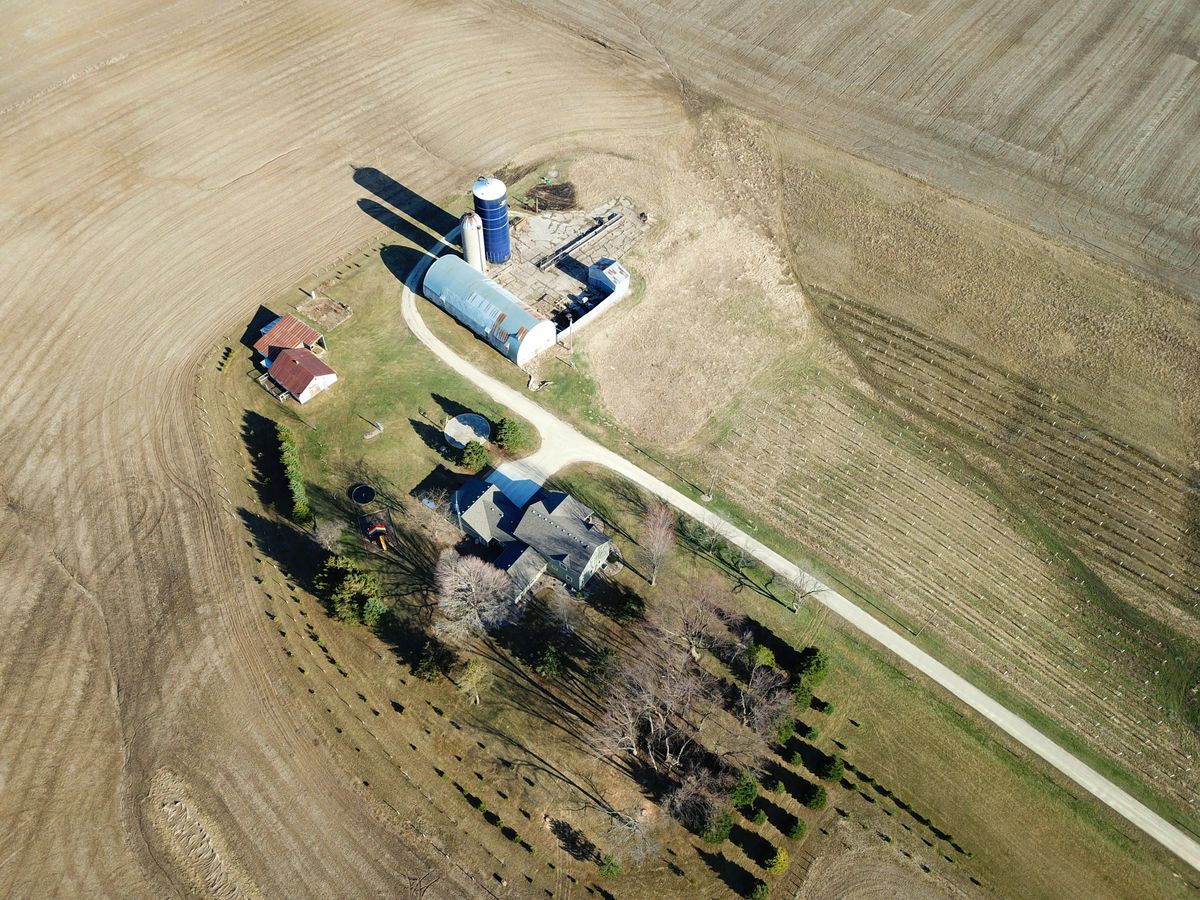
First buyer impressions come from property photos and marketing materials. Professional aerial photography and ground-level photography showing the property at its best are essential for serious marketing.
Hire a professional photographer with hospitality property experience to capture: aerial property overview, site variety (full-hookup sites, tent sites, long-term rental areas), amenity areas (bathhouse, gathering spaces, recreation areas), and roadways/common areas. Budget $2,000-$5,000 for professional photography capturing property in optimal condition.
Write compelling property narrative describing unique characteristics, seasonal demand drivers, historical performance, and operational strengths. Present the property narrative professionally in a Confidential Information Memorandum (CIM) rather than generic broker listing descriptions.
Include forward-looking operational projections showing achievable performance improvements under new management - not aggressive claims but realistic opportunities for experienced operators to improve above current levels. Buyers value properties with identified improvement opportunities they can capture through operational changes.
What NOT to Spend Money On Before Selling
Avoid common preparation mistakes that waste capital without generating proportional valuation gains:
Major New Amenities with Long Payback Periods
New golf courses, resort pools, or dining facilities require substantial capital investment but rarely value dollar-for-dollar at sale. These amenities benefit ongoing owners through long-term revenue growth but do not provide sale-price premium equivalent to cost.
Cosmetic Improvements Buyers Will Change
Avoid cosmetic decisions (paint colors, landscaping design choices, common area decor) reflecting personal preference. Buyers immediately change these items to their specifications, wasting your investment. Focus instead on infrastructure and maintenance items.
Extensive Interior Cabin Renovations
Cabin and RV site improvements have highly variable ROI depending on buyer’s plans. Some buyers immediately renovate cabins differently than your specifications. Unless cabins are in poor condition, avoid extensive renovations benefiting only specific design preferences.
New Technology Systems Without Proven ROI
Avoid implementing new technology systems without clear operational benefit. Some vendors pitch new software, reservation systems, or management platforms promising dramatic efficiency improvements. Most campgrounds already have adequate technology - extensive systems changes create integration complications and buyer skepticism rather than value.
Integration with Professional Valuation and Marketing
For comprehensive valuation guidance integrating preparation investments into overall pricing strategy, consult professional campground valuation analysis. For detailed guidance on complete sales process from preparation through closing, review our how to sell your campground guide. Additionally, reference campgrounds currently for sale to understand current market listings and pricing benchmarks.
Buyers increasingly seek properties that are well-prepared for transition. Properties demonstrating professional management, documented operations, clean financials, and sound physical condition attract institutional buyer attention and command premium valuations. Conversely, properties requiring significant post-acquisition cleanup discount significantly.
The 10-step preparation process requires 3-6 months of systematic effort but pays substantial dividends through higher sale prices, faster closing timelines, and better buyer quality. Properties sold without adequate preparation often require 8+ months marketing or 10-20% price discounting that would have been avoided through basic preparation discipline.
FAQ
How much should I budget for preparation improvements before selling my campground?
Preparation improvements typically cost $15,000-$50,000 depending on property condition and age. Budget should address: professional photography ($2,000-$5,000), necessary cosmetic improvements like repainting or landscaping ($5,000-$15,000), high-priority deferred maintenance like road resurfacing ($8,000-$25,000 depending on extent), and professional CIM preparation ($2,000-$5,000). This investment typically generates $100,000-$300,000 in incremental sale value through premium pricing and faster sales.
If I must choose between financial cleanup or physical improvements, which should I prioritize?
Prioritize financial cleanup and documentation. Clean, well-organized financials directly impact buyer confidence and willingness to proceed. Poor financial presentation raises questions about property viability regardless of physical condition. Buyers can overlook modest deferred maintenance if financials are solid. Conversely, excellent physical condition cannot overcome financial disorganization or concerning financial trends.
Should I complete major improvements the year before sale to demonstrate on my operating results?
Yes, if you have sufficient timeline. Major improvements completed 12-18 months before sale show full-year operating results demonstrating the improvement’s revenue or cost-saving impact. Improvements completed immediately before sale have not generated full operating history, limiting valuation benefit. Additionally, improvements generating full-year results provide stronger evidence of value than theoretical projections.
What’s the best timing to list - immediately after peak season or before?
Optimal listing timing depends on seasonal demand patterns. For summer-dependent campgrounds, list during peak season (May-July) when property shows best occupancy and rates. For year-round properties or winter-destination properties, early spring listing (February-April) provides full-season visibility through fall closing. Avoid listing immediately after peak season ends when occupancy drops and buyer perception of property performance suffers.
How far in advance should I begin sale preparation?
Begin systematic preparation 6-12 months before planned listing. Financial organization requires 2-3 months if your records are disorganized. Operational delegation and staff preparation requires 3-6 months to implement gradually. Physical improvements require 3-4 months for planning, contractor coordination, and work completion. Starting 12 months in advance prevents rushed decisions and last-minute scrambling.
Get Your Free Campground Valuation
Understand the true market value of your campground property. Our expert team provides comprehensive valuations at no cost or obligation. Perfect for owners considering selling or simply curious about their asset's worth.
Request Free Valuation